Amman Design Week is over. What does it leave behind?
Days after Amman Design Week came to a close, we reflect on its significance for Jordan’s creative scene, the visibility it brought to participating designers, and the standard it sets for future creative events.
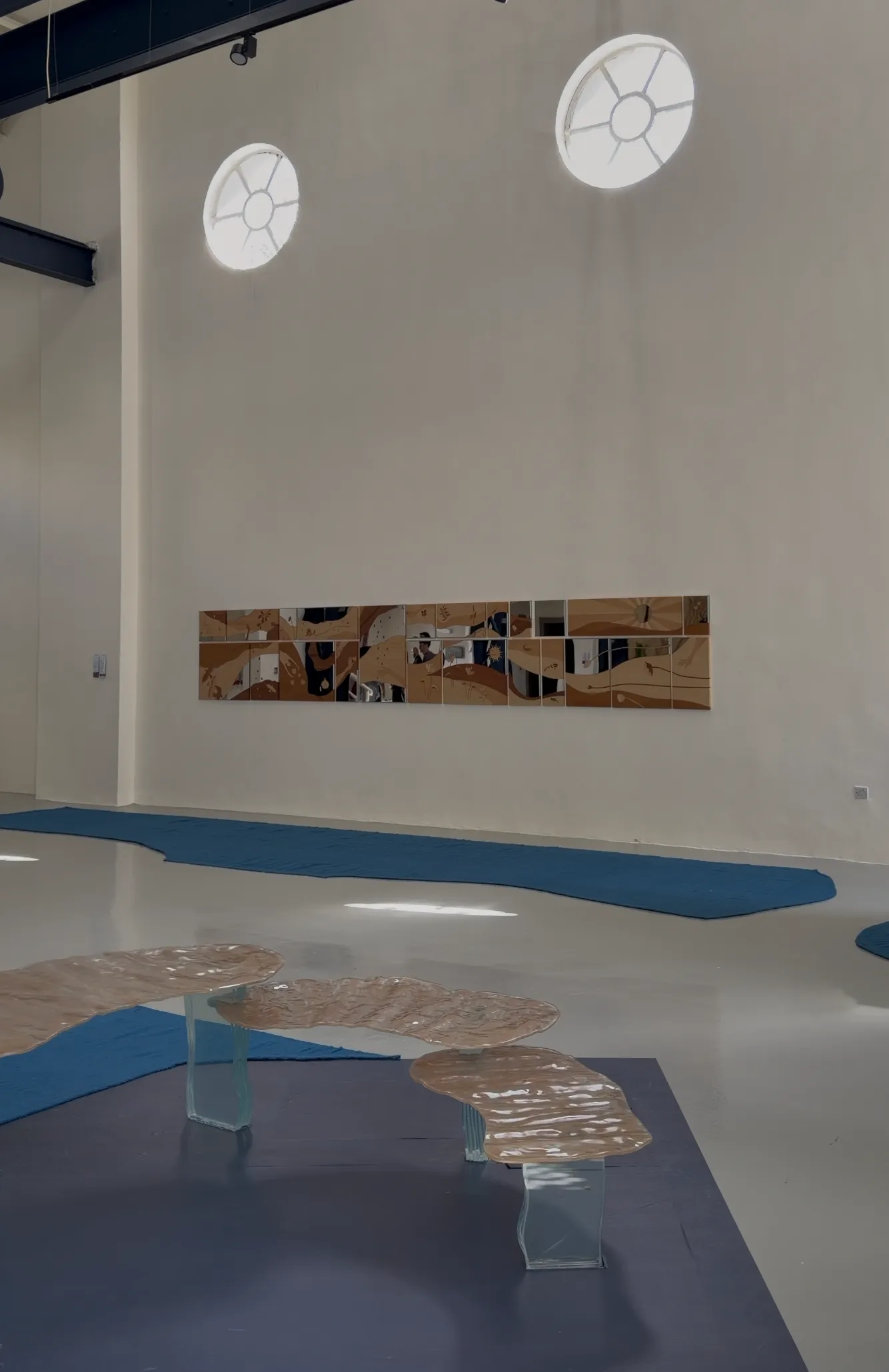
From October 2 to 17, Amman Design Week hosted 204 events across the capital and beyond. From Ras El Ain and Jabal Al Lweibdeh to Jabal Amman, Iraq Al Amir and Aqaba, familiar places were turned into venues for exhibitions, workshops and conversations.
Now that the programme has ended, it is worth asking what Amman Design Week has brought to Jordan’s creative scene, and what standard it sets for what comes next.
Bringing Jordan’s creative scene into focus
There is far more happening in Jordan’s creative scene than the names we usually hear about, but we rarely get to see it all in one place.
Amman Design Week brought together architecture, contemporary design, craftsmanship, material experimentation and emerging practices in one programme. For visitors, it was an experience that introduced them to work being made in Jordan and the region. For participating designers, it was an opportunity to reach new audiences.
The event also became a social space for the creative community, with people making new connections and running into friends they hadn’t seen in years.
Design as culture, not only commerce
Four permanent works by participating designers were introduced in public space for the community to use: a shaded seated area, a basketball court, a lamp post that doubles as a seat, and a landscaped gathering space by a neighbourhood mosque. Through exhibitions, workshops, talks and tours, design became something people could encounter, interact with and question, whether or not they had any connection to the industry.
Design is often judged by its commercial value, but it is part of everyone’s daily life, in our homes, our streets and the objects we use. Making it accessible is how a creative scene becomes part of a city’s cultural identity.
Setting a standard for what comes next
One of the clearest things this edition leaves behind is a standard for future creative initiatives in Jordan. It demonstrated what strong organisation, cross-disciplinary participation and free public access can achieve at scale.
That doesn’t mean every future event needs to match its size. A small fashion exhibition, an independent design showcase or an emerging designer’s launch can matter just as much.
Whatever the scale, organisers, businesses, cultural institutions and media platforms can all learn from this year’s design week. How can creative events introduce local designers and makers to new audiences? How can they create more opportunities for people to engage with creative work and with one another?
Beyond the two weeks
Behind the exhibitions were years of experimentation, learning and development by designers and makers across Jordan and beyond.
The exhibitions have now closed, but the event’s additions to the city and the connections it created remain.
Its full impact will take time to measure, but Amman Design Week has already set a precedent for creative events in Jordan. Now, we wait to see what it inspires others to create next.