Before they were trending, they were home
Ten colours. Ten places. And the history behind each one.
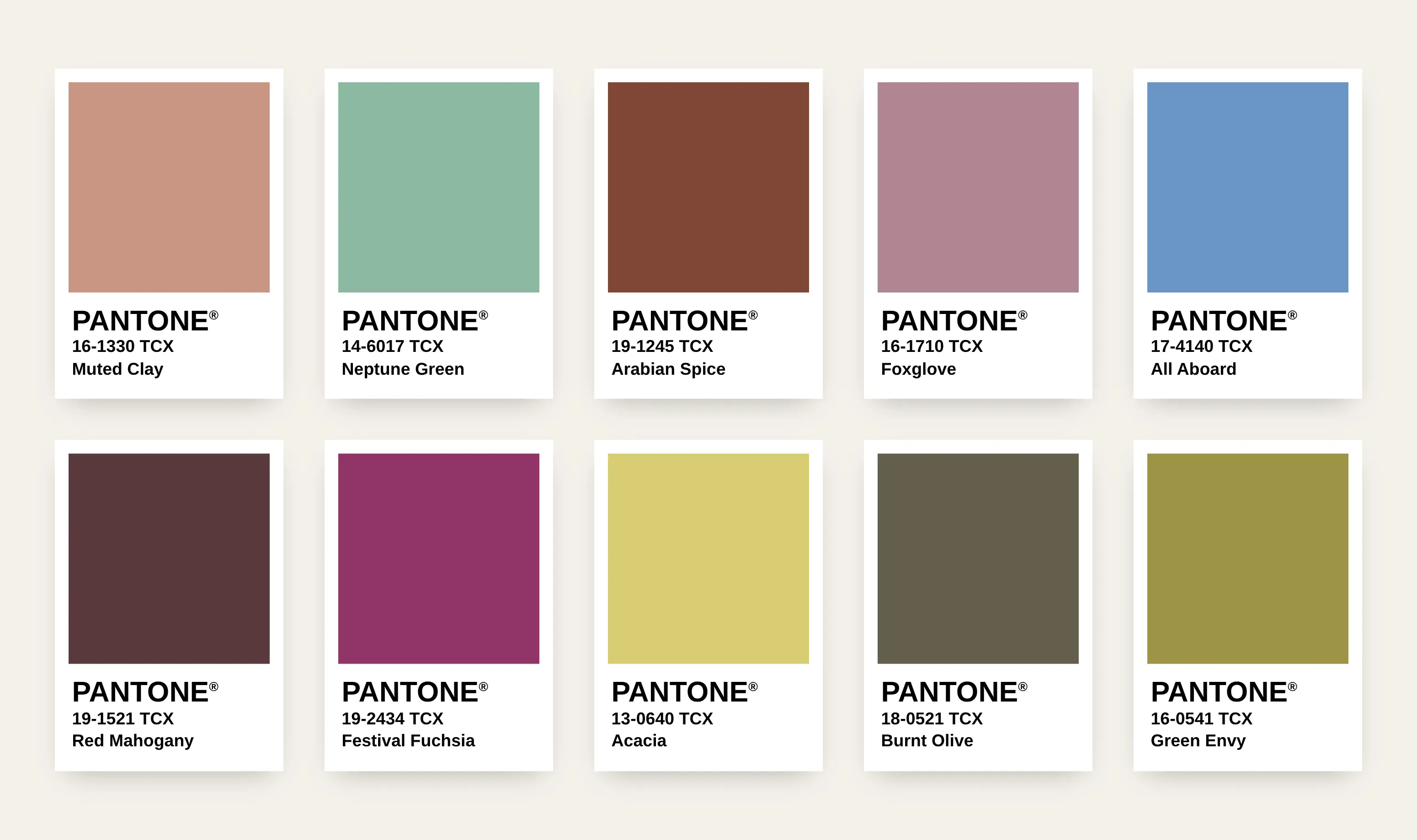
Long before these colours appeared in a fashion forecast, they were already part of our home. In the sandstone of Petra, the mosaics of Madaba, the waters of Aqaba and the ancient stones of Amman’s Citadel. Colours we’ve grown up surrounded by, sometimes without stopping to notice.
As autumn settles in and the evenings in Jordan grow colder, we look back at Pantone’s Autumn/Winter 2026/27 Fashion Colour Trend Report, released during New York Fashion Week in February. The report names ten standout colours, alongside five seasonless shades.
Leatrice Eiseman of the Pantone Color Institute describes a season that “brings together the safe and the enticing”.
We went looking for those ten colours across Jordan, and found every one of them.
1. Wadi Rum
View this post on Instagram
Long before it was a film set or a weekend camping trip, Wadi Rum was a message board. Travellers and herders have been passing through for around 12,000 years. Its sandstone cliffs carry about 25,000 carvings and 20,000 inscriptions, in scripts like Thamudic, Nabataean and Arabic.
T.E. Lawrence called it “vast, echoing and God-like,” and he wasn’t exaggerating. The arches, like the one in our photo, were shaped slowly by wind and water over thousands of years.
View this post on Instagram
2. The Dead Sea
View this post on Instagram
The Dead Sea is almost ten times saltier than the ocean and rich in magnesium, potassium and bromide salts. That salt is why you float so easily. It is the lowest point on land on Earth, around 440 metres below sea level. Along the shore, where the water washes over the white salt crust, it turns a soft, pale green.
3. St George’s Church, Madaba
View this post on Instagram
St George’s Greek Orthodox church is home to one of the most famous floors in the world, the Madaba Map. This 6th-century mosaic shows the region in tiny tiles, including the Jordan River, the Dead Sea and Jerusalem. It was uncovered again in the late 1800s, while the old Byzantine church was being cleared to build the one standing today, finished in 1896.
One small surprise: the map faces east, not north, so you may need to turn your head to find your way around it.
4. Downtown Amman
View this post on Instagram
Downtown Amman, or Al Balad, is where centuries of the city’s history come together. In the 3rd century BC, Ptolemy II, the Greek king of Egypt, renamed the city Philadelphia. Its Roman theatre, built in the 2nd century AD, is still right in the middle of downtown.
A few minutes away is the Grand Husseini Mosque, which Emir Abdullah I rebuilt between 1924 and 1927 on the site of a much older mosque dating to the early Islamic period. He named it after his father, Sharif Hussein bin Ali. Keep going and you reach Souq Al-Sukar, still where people do their fruit and vegetable shopping.
5. King Abdullah I Mosque, Amman
View this post on Instagram
With its blue mosaic dome, King Abdullah I Mosque is one of Amman’s most recognisable landmarks. The late King Hussein built it between 1982 and 1989 to honour his grandfather, King Abdullah I, who founded the Emirate of Transjordan in 1921, the state that became Jordan. Up to 7,000 people can pray inside, with room for 3,000 more in the courtyard.
6. The Silk Tomb, Petra
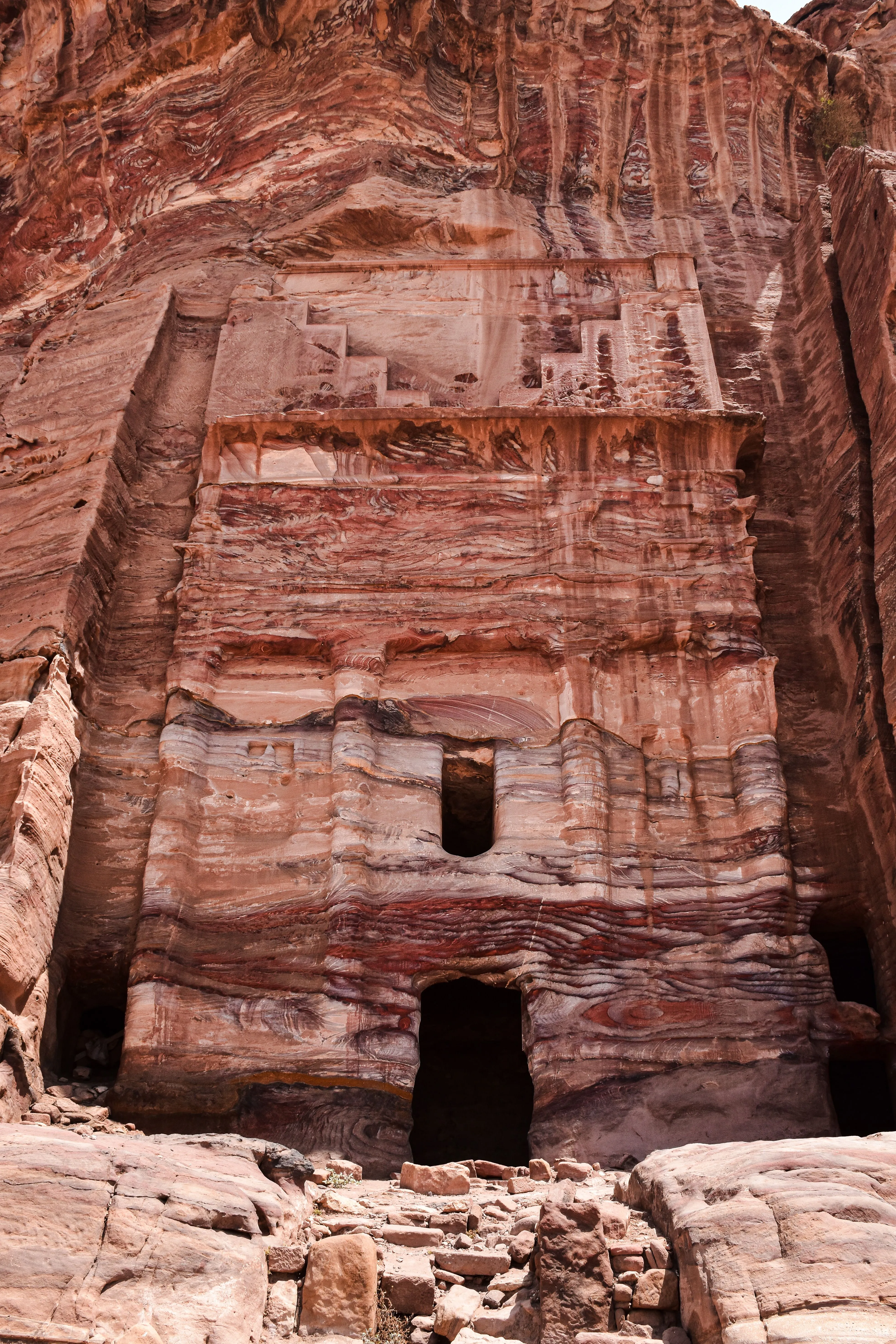
The Silk Tomb is one of Petra’s Royal Tombs carved into Jabal al-Khubtha, carved into the cliff alongside the Urn, Corinthian and Palace Tombs. It takes its name from the bands of pink, red and purple that ripple across its front like silk. Nature did all the colouring.
Long before the cliffs were exposed, mineral-rich water seeping through the sandstone left behind iron oxide for the reds and manganese for the purples. The Nabataeans carved their city into this stone more than 2,000 years ago, and colours like these are why Petra became known as the Rose City.
7. Ad Deir, Petra
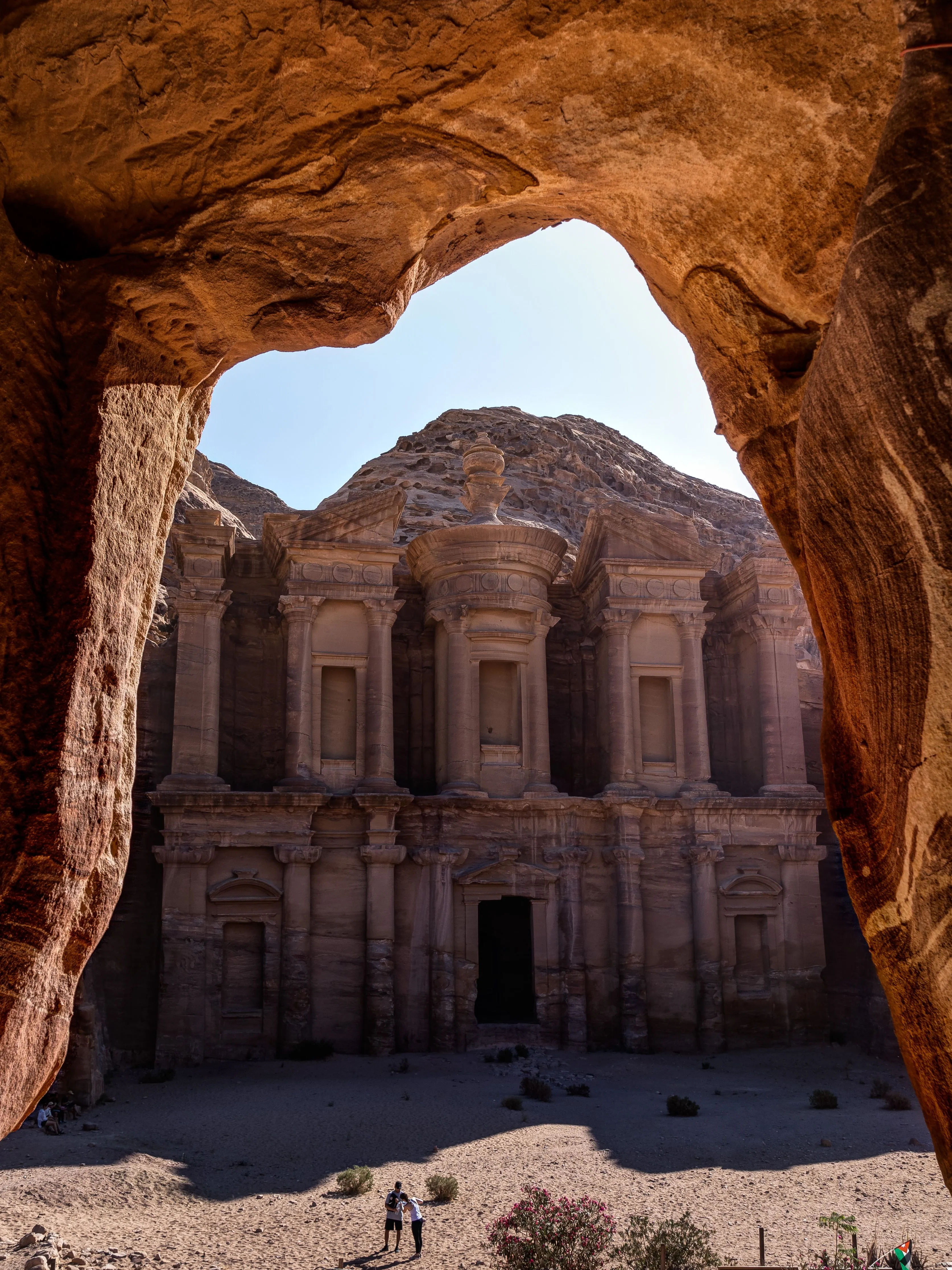
Ad Deir, known as the Monastery, is one of Petra’s largest monuments. Its facade is around 50 metres wide and just as tall, carved straight out of the mountain, and you reach it by climbing about 800 steps. At the very top stands a stone urn about 10 metres tall. It was carved in the mid-1st century AD, and may have been linked to the worship of the Nabataean king Obodas I.
The pink flowers in front of it are oleanders (شجرة الدفلة). They grow wild along the dry stream beds around Petra and bloom from late spring through summer. They’re pretty, but every part of the plant is poisonous.
8. Hippolytus Hall, Madaba
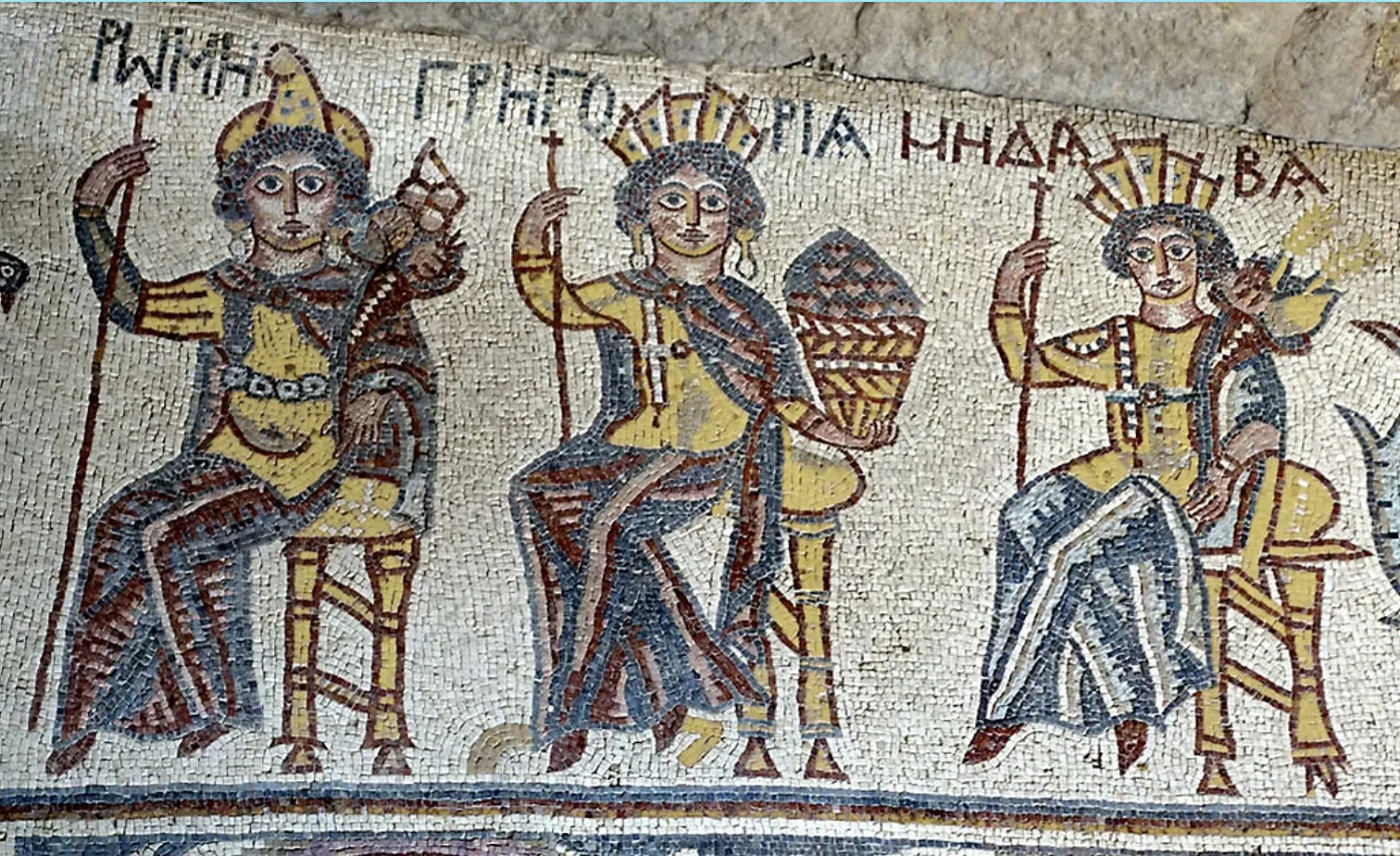
The mosaic dates to the early 6th century and once covered the floor of a grand private house in Madaba. Its scenes come from Greek myth, including Phaedra and Hippolytus, Aphrodite and Adonis, and the Three Graces.
Along the edge sit three enthroned female figures labelled Rome, Gregoria and Madaba. Traditionally interpreted as personifications of cities, they place Madaba in remarkable company. Later, the Church of the Virgin Mary was built over part of the house. Today it is preserved in Hippolytus Hall, inside the Madaba Archaeological Park.
9. Aqaba
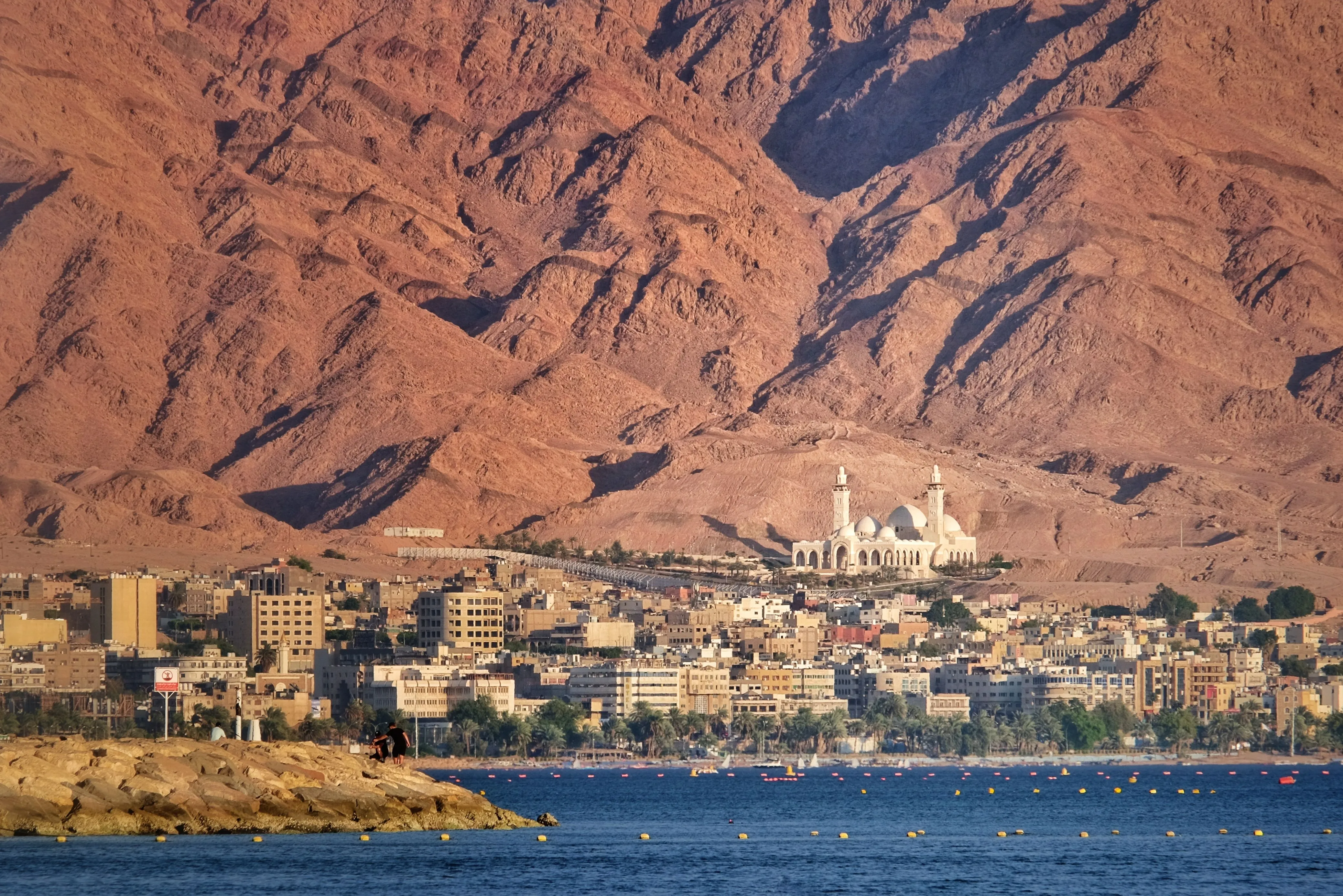
Aqaba is Jordan’s only coastal city, at the country’s southern tip on the Red Sea, and it has been a port for more than 2,000 years. Before the modern city there was Ayla, an early Islamic town founded around 650 AD. Its ruins are still there today, right on Aqaba’s seafront, near the Royal Jordanian Yacht Club.
Today people come for the coral reefs, the diving and the date palms that grow along the coast.
10. Umayyad Palace, Amman Citadel
View this post on Instagram
Climb Jabal al-Qal’a, the Citadel hill, and you get the best view of downtown Amman. The Umayyad Palace was built here over earlier Roman remains, and is thought to date from between 724 AD and 743 AD, under Caliph Hisham. It served as the governor’s residence and the administrative centre of the city.
A strong earthquake in 749 AD destroyed much of the palace. The wooden dome over its audience hall was added during restoration in 1998, although the exact form of the original roof remains debated.
See the full carousel on our Instagram:
View this post on Instagram