Why does every fashion image of Jordan look the same?
Campaigns Nobody Commissioned
Five Jordanian locations beyond Petra, Wadi Rum and the Dead Sea that deserve a place in the country's fashion imagery.
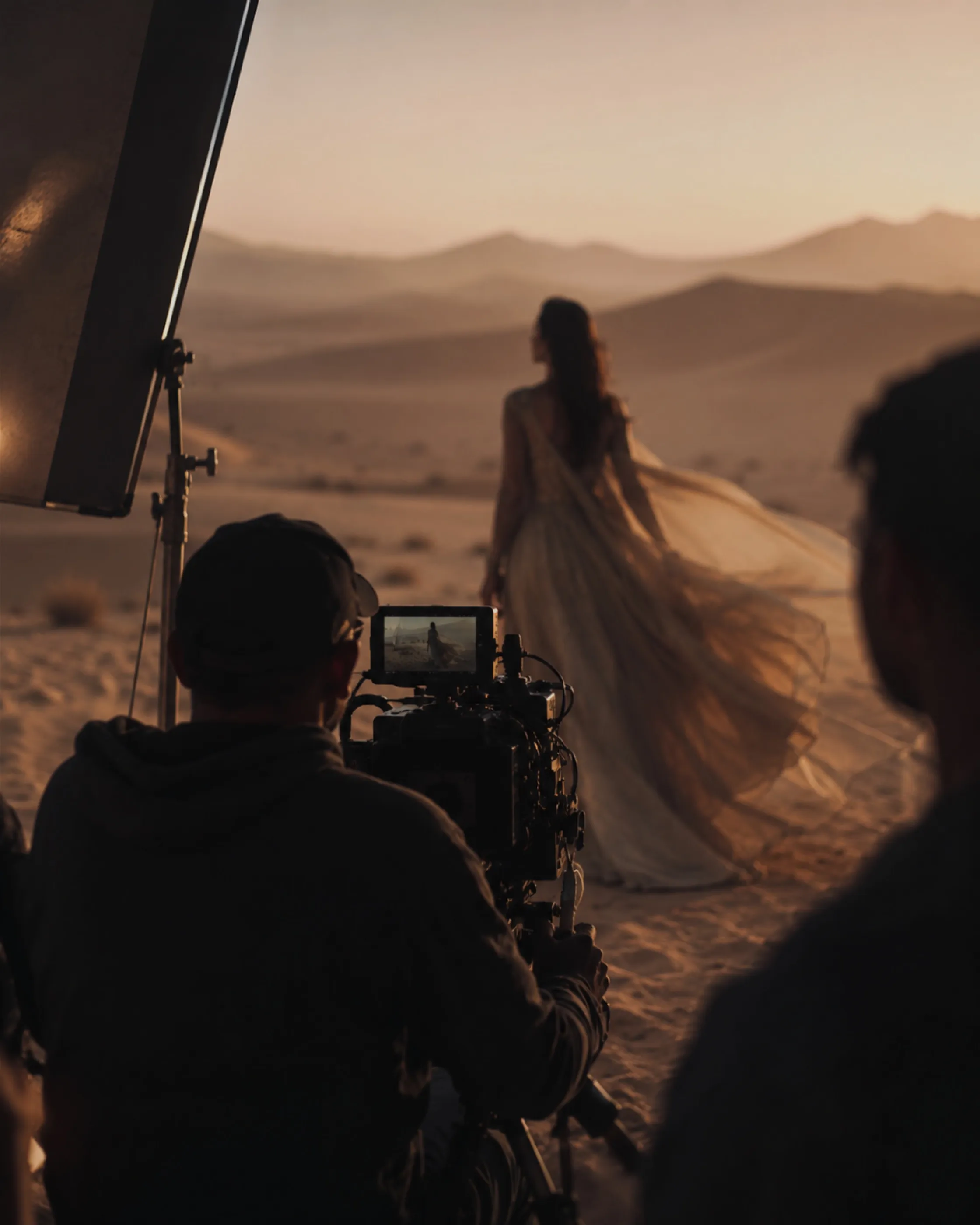
Search for fashion imagery made in Jordan and a pattern appears quickly.
Petra. Wadi Rum. The Dead Sea.
There is an obvious reason they appear so often: they are extraordinary places. The problem isn’t that fashion shoots there. The problem is what happens when three locations begin to stand in for the visual identity of an entire country.
Jordan has other landscapes, architecture and urban environments that could produce completely different fashion images. Here are five places we would start.
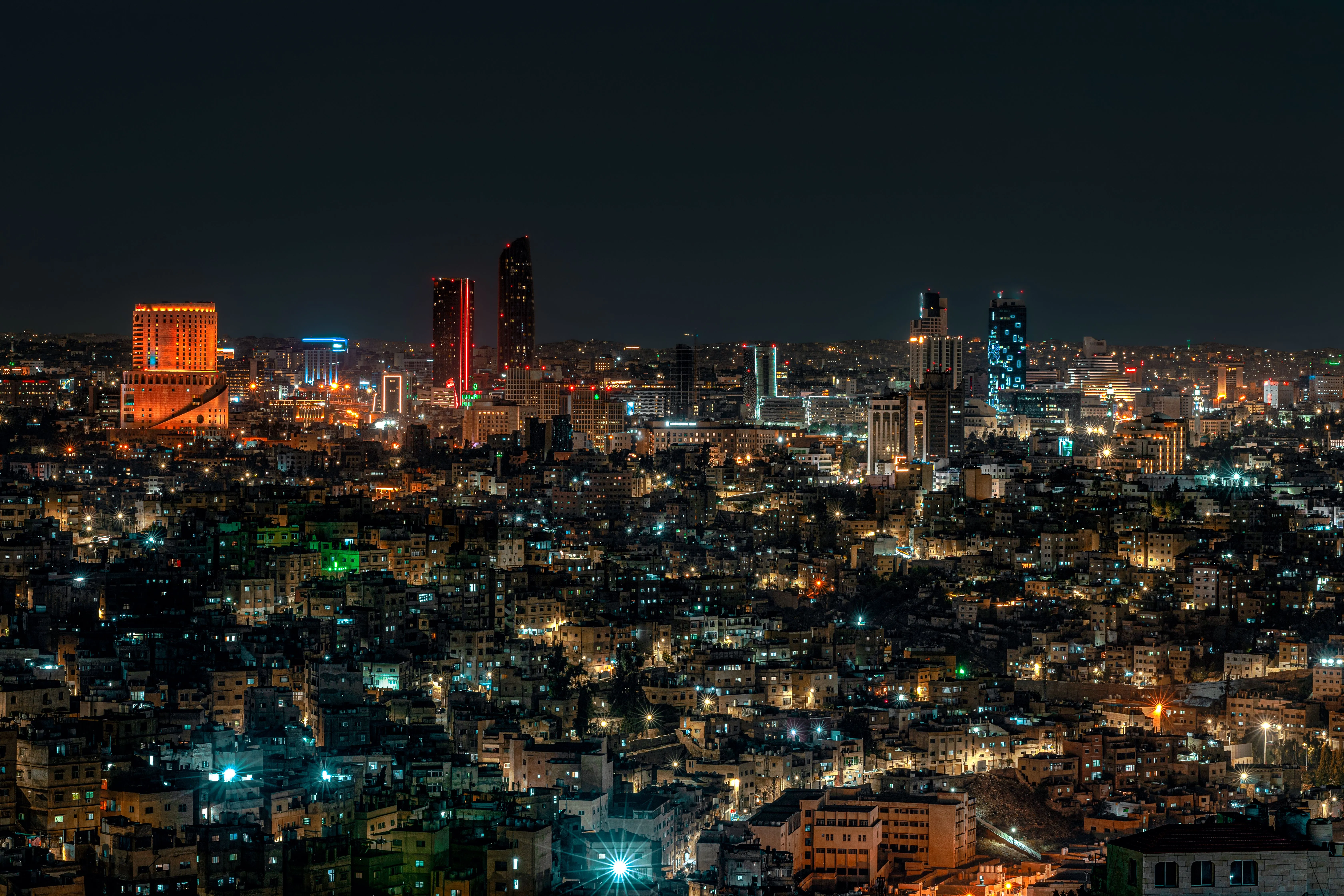
01 - Amman, after dark
By day, Amman’s pale stone creates an almost monochromatic cityscape. After sunset, that changes completely: towers, glass, headlights, illuminated streets and pockets of neon emerge across the hills.
Fashion could use that contrast. Instead of asking Amman to imitate another city’s version of nightlife, a campaign could lean into the density and irregularity that already make the capital recognisable.
02 - Wadi Mujib
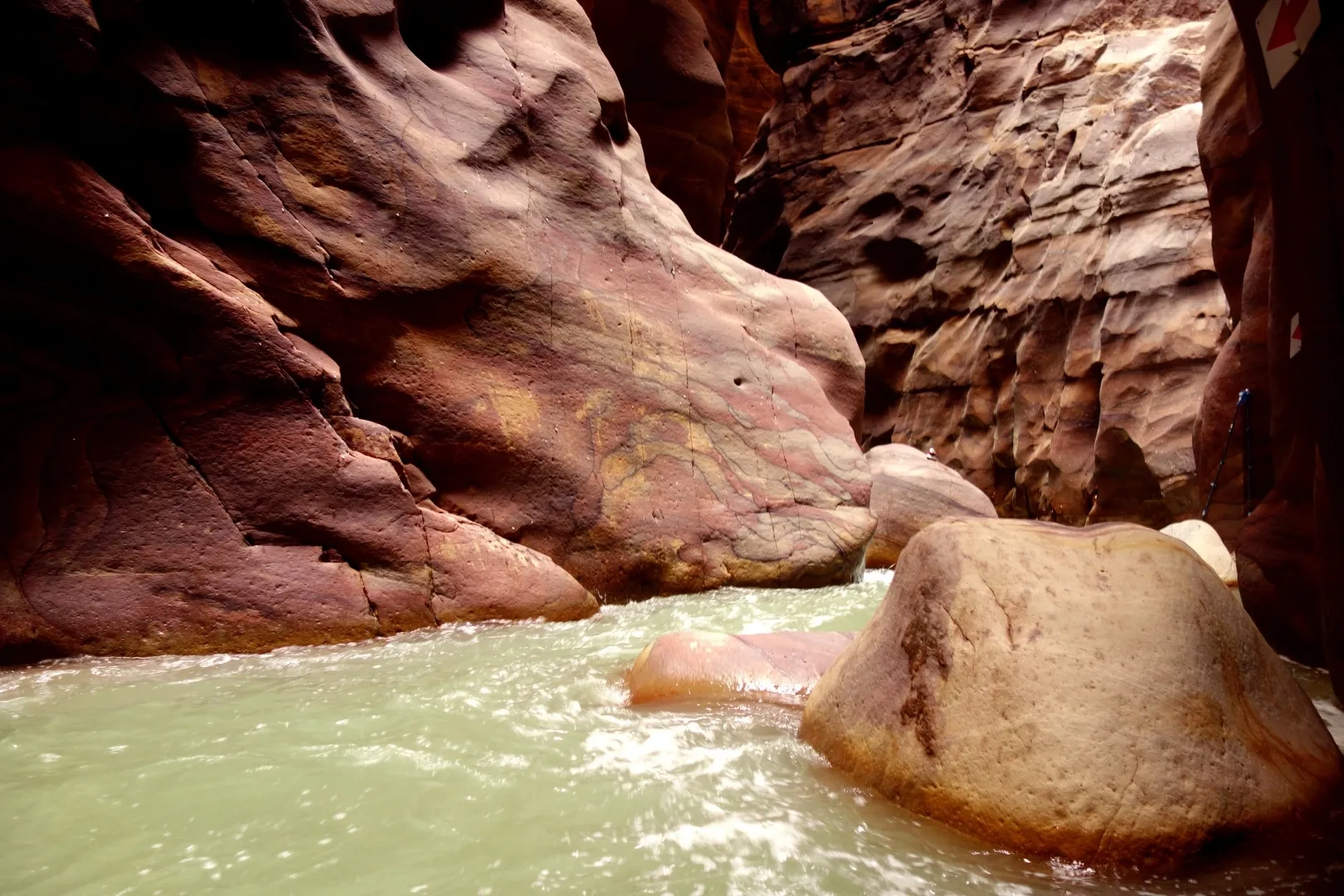
Wadi Mujib offers almost the opposite visual language: narrow red-rock walls, moving water and a landscape that forces the subject physically into the environment.
The lowest nature reserve in the world; 410 metres below sea level, 90km south of Amman.
It is generally approached as somewhere to hike through. Through a fashion lens, those same characteristics become texture, movement and scale. Water against fabric. A silhouette against rock. Clothing moving through the canyon rather than simply posing in front of it.
03 - The Hijaz Railway
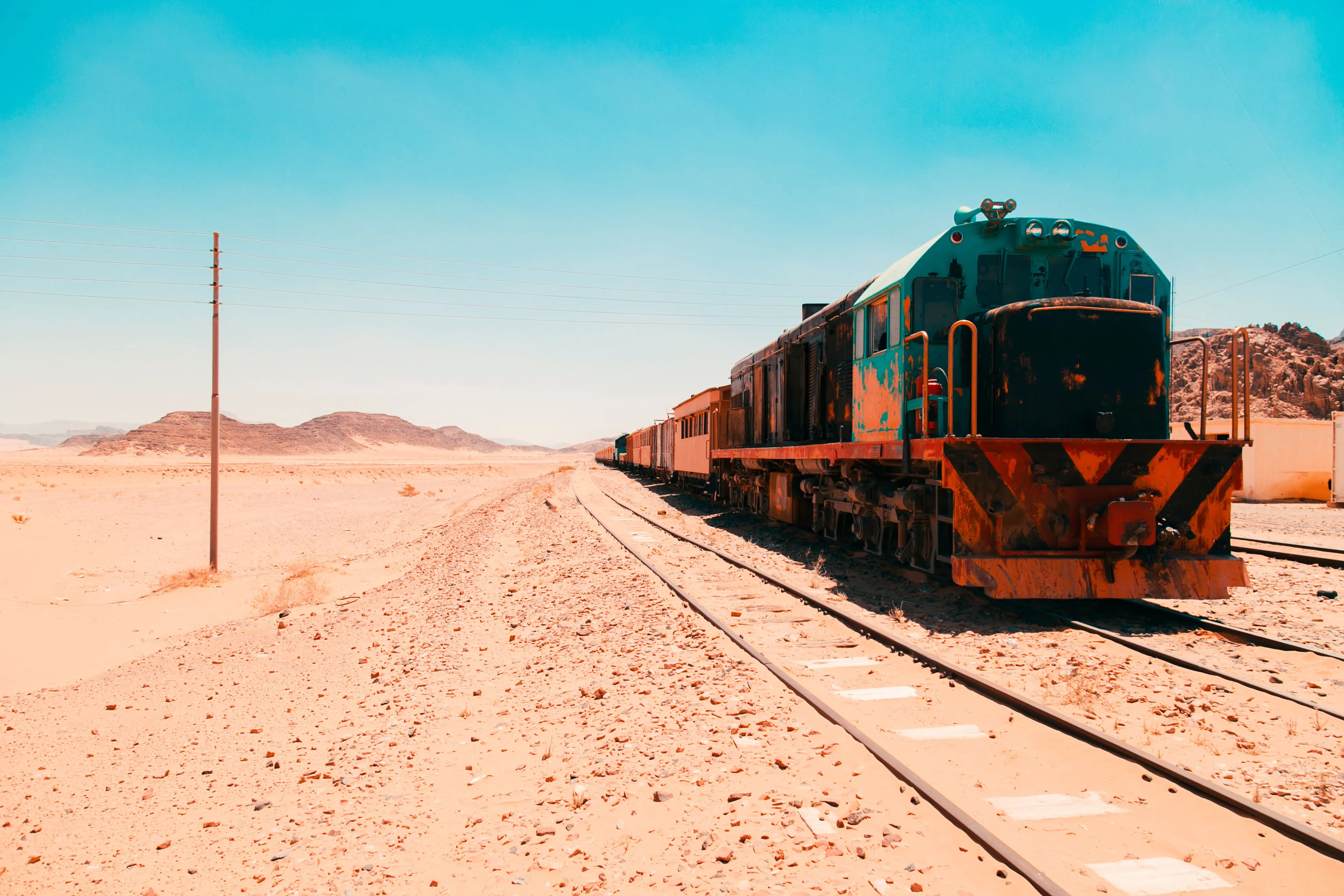
Old tracks, stations, trains and open desert make the Hijaz Railway an unusually complete visual world.
Built by the Ottomans, it reached Medina in 1908, running all the way down from Damascus.
It has history without relying on Jordan’s most familiar archaeological imagery. The industrial shapes of the railway against an open landscape could give a campaign something harder, more graphic and less expected.
04 - Umm Qais
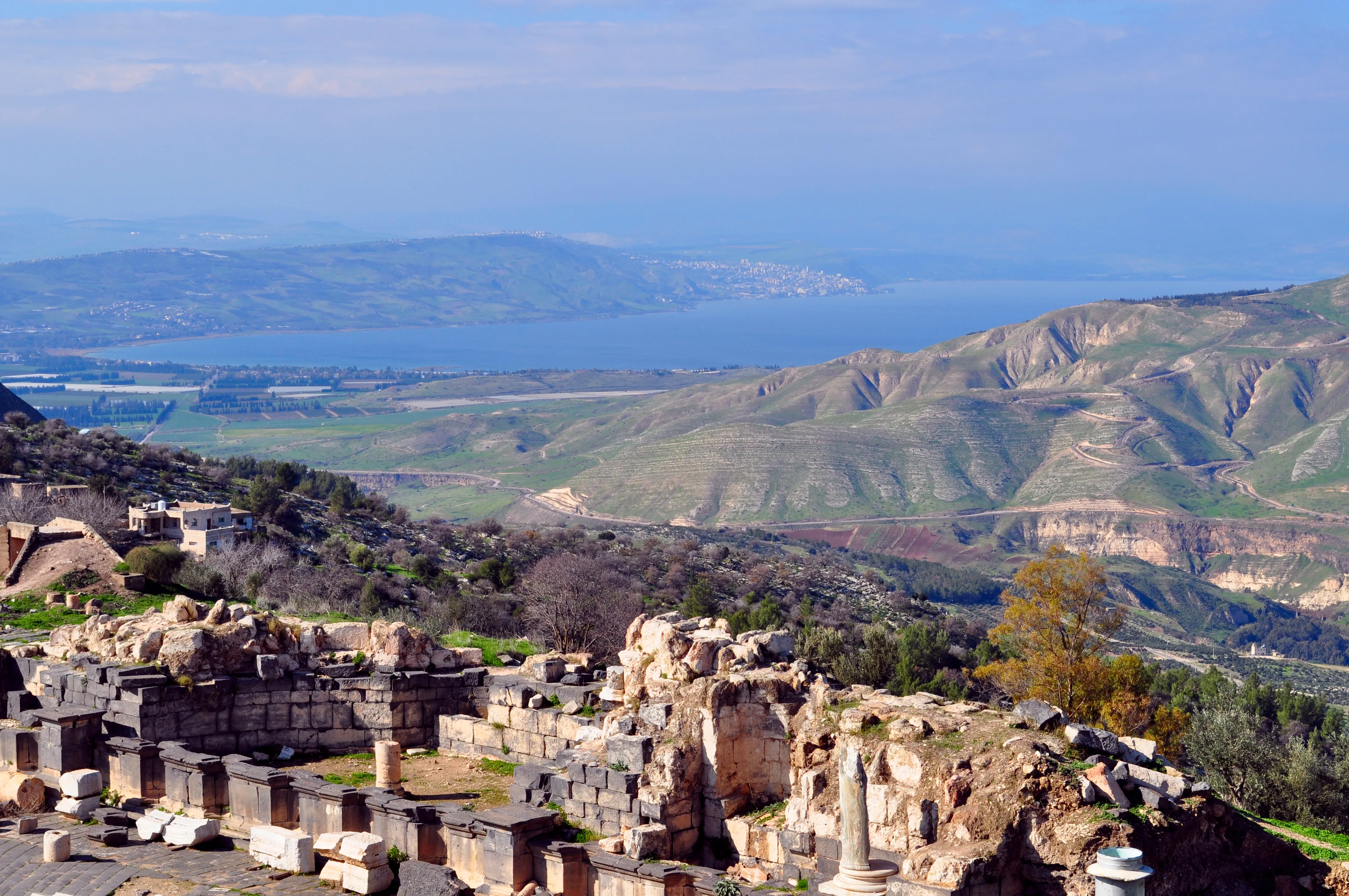
A Roman city in black stone, still standing on a hill 378 metres up, overlooking Lake Tiberias and the Golan Heights.
From one spot you can see three countries: Jordan, Palestine and Syria.
It challenges the warm sandstone palette that dominates so much international imagery of the country. A fashion story here could be cooler, darker and more architectural - without losing any sense of place.
05 - Hammamat Ma’in
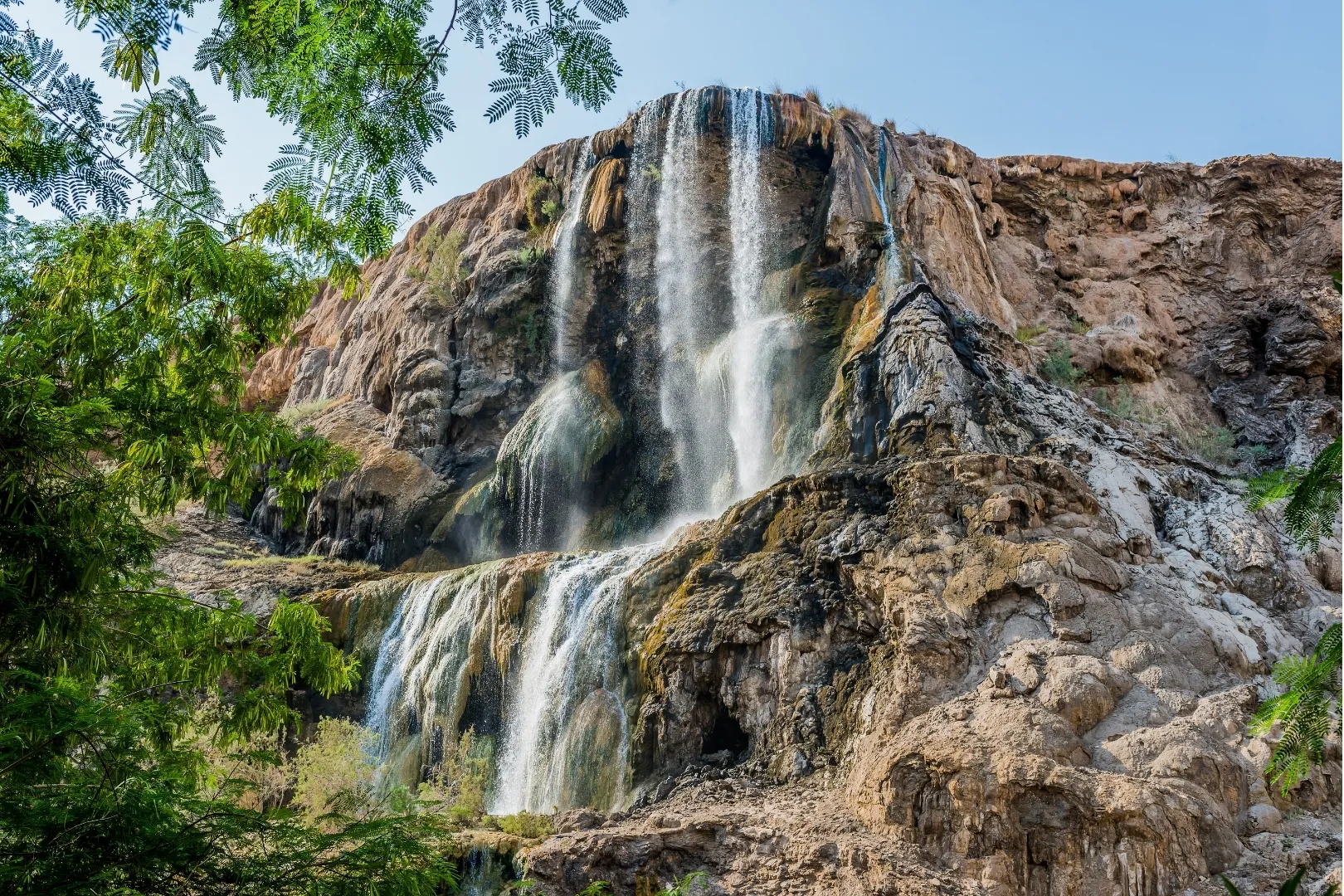
Steam. Waterfalls. Mineral rock. Greenery.
264 metres below sea level. A waterfall over 20 metres, and the water comes out at 63 degrees.
These are not necessarily the images people outside Jordan associate with the country - which is precisely the point.
Hammamat Ma’in could produce something humid, dramatic and almost otherworldly. A campaign here would immediately complicate the persistent visual perception of Jordan as nothing but dry desert.
The answer isn’t to stop shooting Petra, Wadi Rum or the Dead Sea.
It is to stop acting as though the visual story ends there.
A stronger fashion image of Jordan would be one that allows the country to look urban, industrial, wet, green, dark, contemporary, historic and occasionally unexpected.
There are more campaigns here than the ones we have already seen.